Method
How a buyer-perspective test works
Four steps, no setup on your site — the whole method is designed so you can inspect every step of it.

Define who the buyer is
Describe your ICP — or let Mind Your Buyer infer likely buyer types from the page itself. Each persona carries a role, a buying stage, goals, prior beliefs, and a skepticism level. Personas live in your library and improve over time; they're the system of record for who you're selling to.
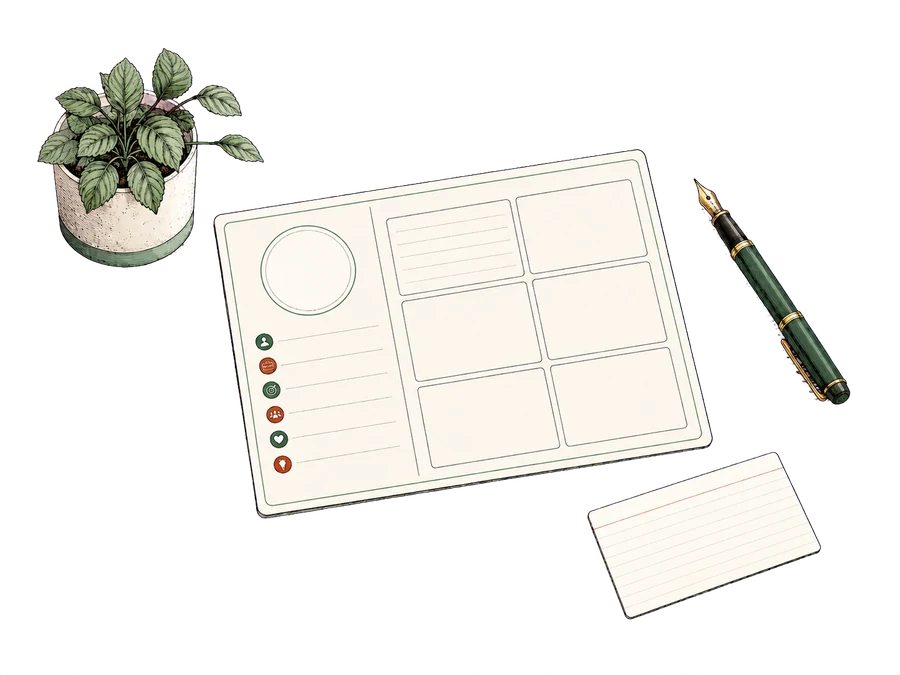
Personas browse with their own goals
In a real browser session, each persona pursues its own goal on your site — no predefined task creating the attentive behavior a test then pretends to observe. Skeptics get stuck on missing proof; budget owners hunt for pricing; champions look for what they'll forward upward.
"Integrations page says 'works with everything' — that's a sentence, not a list. I need to see my stack by name before I book a call."
Fictional persona · composite buyer perspective · P-03
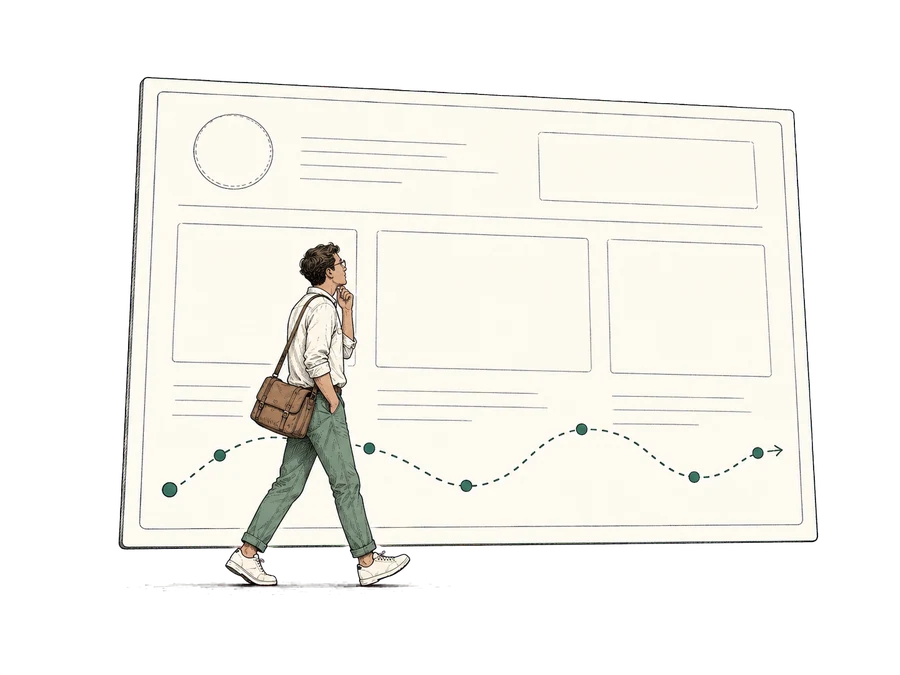
Friction, with the receipt attached
Every finding states where confidence broke, for which buyer, and why — anchored to screenshots, page text, and the persona's step-by-step record. Findings carry a labelled severity and a confidence read, and simulated perspectives are always tagged as such. Trust, but inspect.

Close the loop
Ship the fix, run the same journey again, and compare before/after. Issues track across runs, so "did the change actually remove the friction?" gets an answer — before your traffic pays to find out.

Directional and evidence-linked, not statistical proof: the pre-CRO layer that catches obvious friction before you spend on traffic, redesigns, or research with real participants.
Run the first step free
Free conversion friction check — one live buyer journey (usually 2–6 min), one strong finding. No signup needed to see your report.